


Beyond Flea Collars: Innovative Approaches to Flea Management in Sydney
Fleas are a common pest in Sydney, often causing discomfort and annoyance to both humans and pets. Traditional methods of flea control, such as flea collars, shampoos, and sprays have been widely used for many years. However, these methods only provide temporary relief and do not address the root cause of the problem. As such, innovative approaches to flea management have become more crucial than ever.
Integrated Pest Management (IPM) is one such approach that has gained popularity in recent years. This method focuses on understanding the lifecycle of fleas in order to effectively disrupt their reproduction process. By identifying and eliminating the conditions that allow fleas to thrive – warm environments with high humidity levels – IPM seeks to reduce or eliminate the need for chemical treatments altogether.
Another innovative solution is biological flea control sydney using nematodes – microscopic worms that feed on flea larvae in the environment. These beneficial organisms can be easily introduced into your garden or yard where they will naturally seek out and destroy flea populations without harming other wildlife or plants.
In addition to these natural solutions, new advancements in technology have also played a significant role in modern flea management strategies. Electronic traps that use heat and light to attract adult fleas are becoming increasingly popular due to their effectiveness at reducing populations quickly without the use of harmful chemicals.
Furthermore, there has been an increased focus on preventative measures rather than reactive ones. Regularly vacuuming carpets and furniture can help remove any eggs before they hatch while washing pet bedding frequently can kill any larvae present.
The use of oral medications for pets is another preventive measure gaining traction among pet owners who prefer a less intrusive method compared with traditional topical treatments or collars. These medications work by interrupting the life cycle of fleas at different stages – some prevent eggs from hatching while others kill adult fleas before they can reproduce.
Finally yet importantly comes education as an essential part of any effective flea management strategy. Understanding how fleas reproduce, the conditions they thrive in and how to prevent infestations can significantly reduce the need for reactive treatments.
In conclusion, while traditional methods such as flea collars still have their place in flea management, there are now a wide range of innovative approaches available. By focusing on prevention and using a combination of natural solutions, technology and education, it is possible to manage fleas effectively without relying solely on chemical treatments. As our understanding of these pests continues to grow, so too will our ability to control them in more sustainable and effective ways.

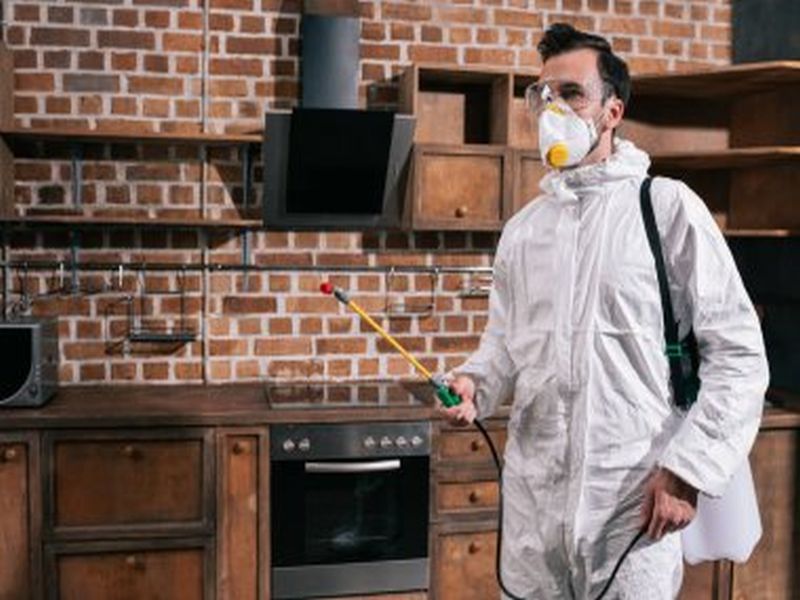
Pest Control Sydney: How to Prevent Pest Infestations in Healthcare Facilities
Pest infestations can be a major problem in healthcare facilities, posing serious health risks to patients, staff, and visitors. From rodents to insects, pests can carry diseases and contaminate food and surfaces, creating an unsanitary environment that is not conducive to healing. In order to prevent pest infestations in healthcare facilities, it is important for facility managers to take proactive measures to keep pests at bay.
One of the most effective ways to prevent pest infestations in healthcare facilities is by maintaining a clean and sanitary environment. Pests are attracted to areas with food, water, and shelter, so it is essential to eliminate these attractants as much as possible. This means keeping kitchens and dining areas clean and free of crumbs or spills, disposing of garbage regularly in sealed containers, and fixing any leaks or standing water that could provide pests with a water source.
In addition to cleanliness, it is also important for healthcare facilities to implement proper waste management practices. Pests such as rodents are known for scavenging through trash bins looking for food scraps, so it is crucial for facilities to have secure waste disposal systems in place. This includes using tightly sealed trash cans or dumpsters that are emptied on a regular basis.
Another key aspect of preventing pest infestations in healthcare facilities is conducting regular inspections of the facility’s exterior and interior spaces. Cracks or gaps in walls or floors can provide pests with easy access into the building, so these should be sealed up promptly. Additionally, monitoring for signs of pest activity such as droppings or chew marks can help identify potential issues before they escalate into full-blown infestations.
Furthermore, implementing integrated pest management (IPM) strategies can help healthcare facilities effectively control pests without relying on harmful chemicals that could pose risks to patients’ health. IPM involves using a combination of methods such as sanitation practices, physical barriers like screens or traps, and biological controls like natural predators or parasites.
Lastly, educating staff members about the importance of pest prevention and how they can contribute to keeping the facility pest-free is crucial. Encouraging employees to report any signs of pest activity immediately can help address issues before they become widespread problems.
Overall, preventing pest infestations in healthcare facilities requires a multi-faceted approach that involves maintaining cleanliness and sanitation practices while also implementing proactive measures such as regular inspections and IPM strategies. By taking these steps seriously and making them part of routine maintenance protocols within the facility’s operations planpest pest control sydney Infestation In Healthcare Facilities?, facility managers can create a safe and healthy environment for patients while minimizing the risk of potential health hazards associated with pests.